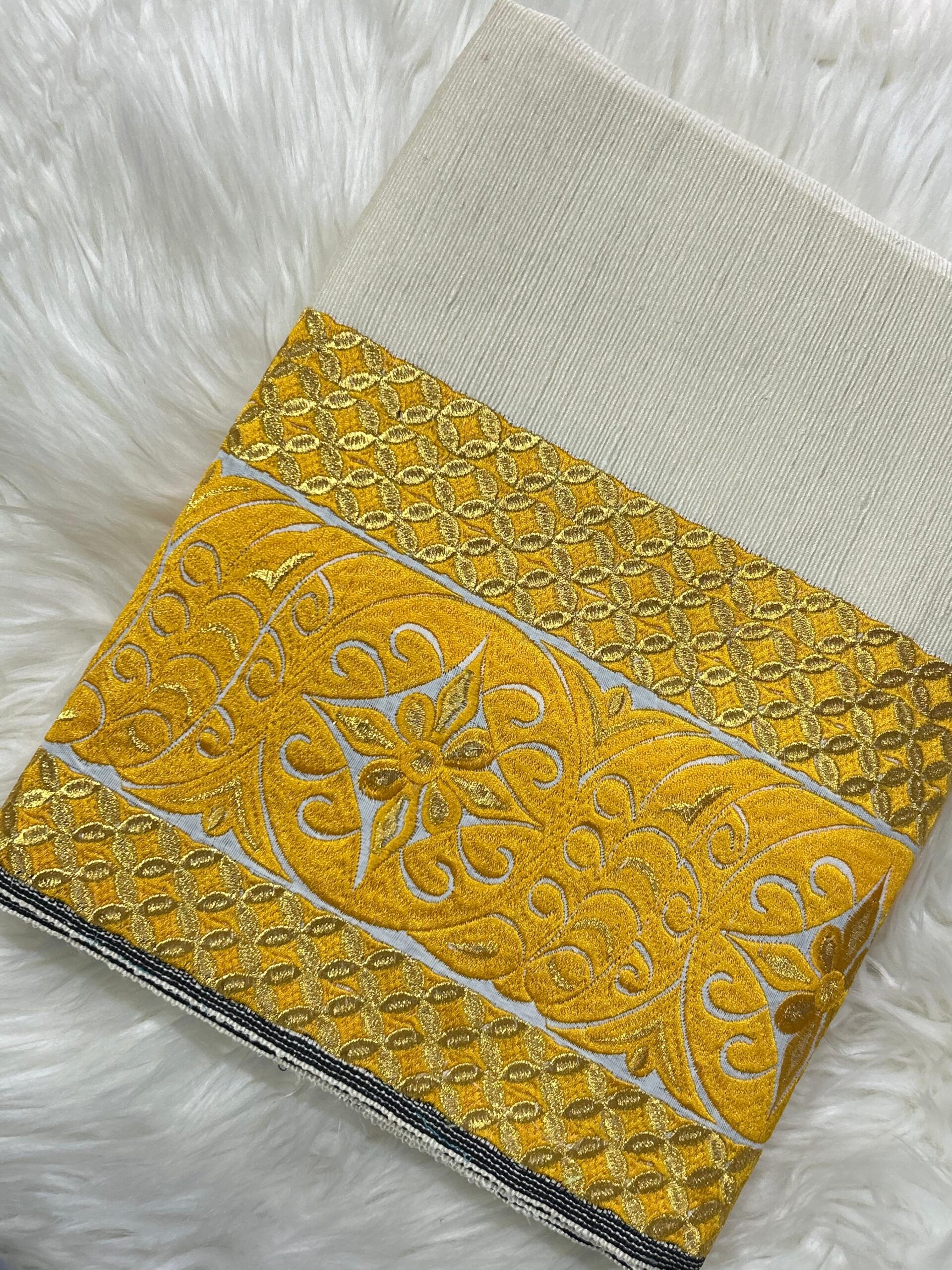
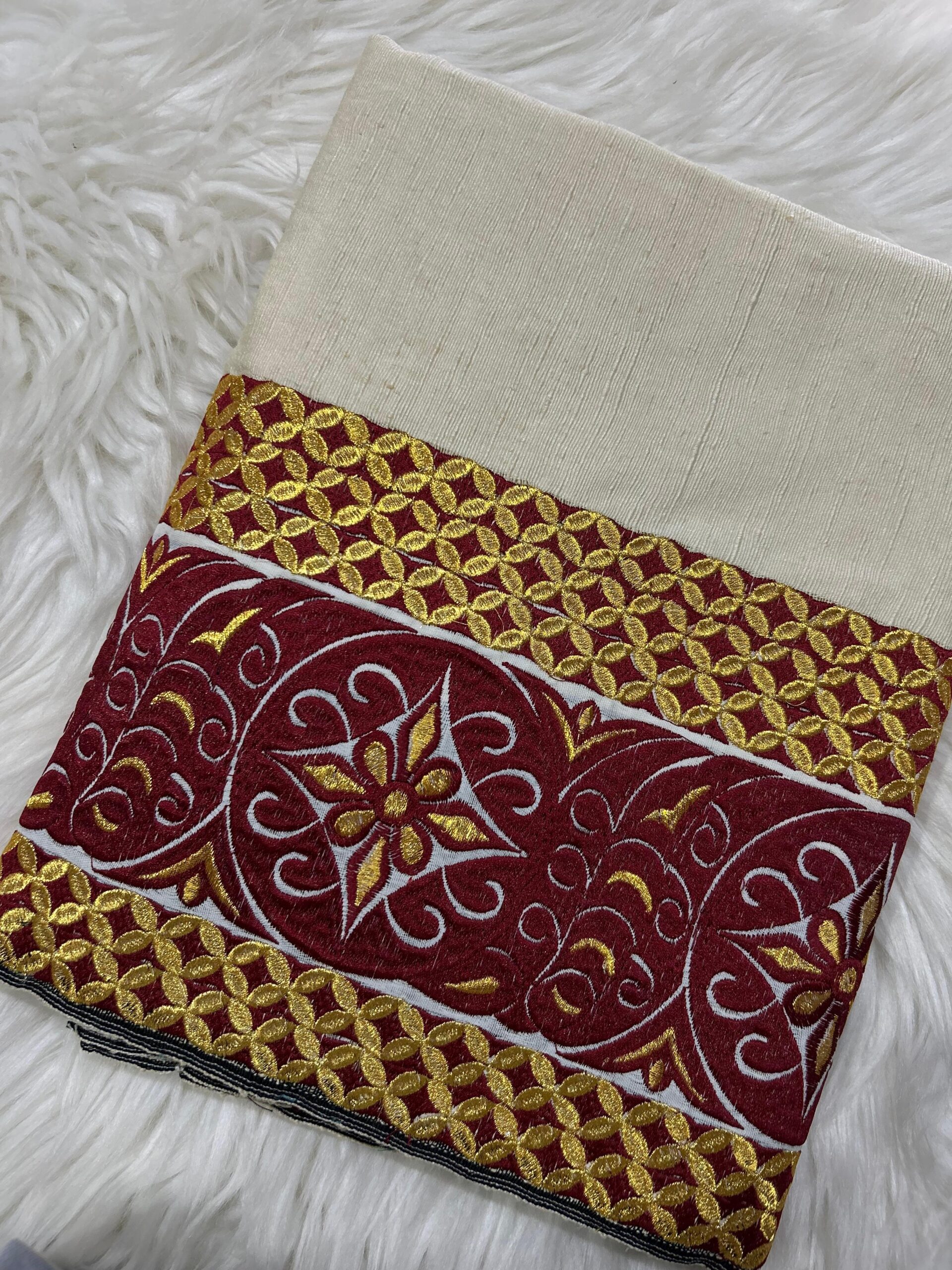
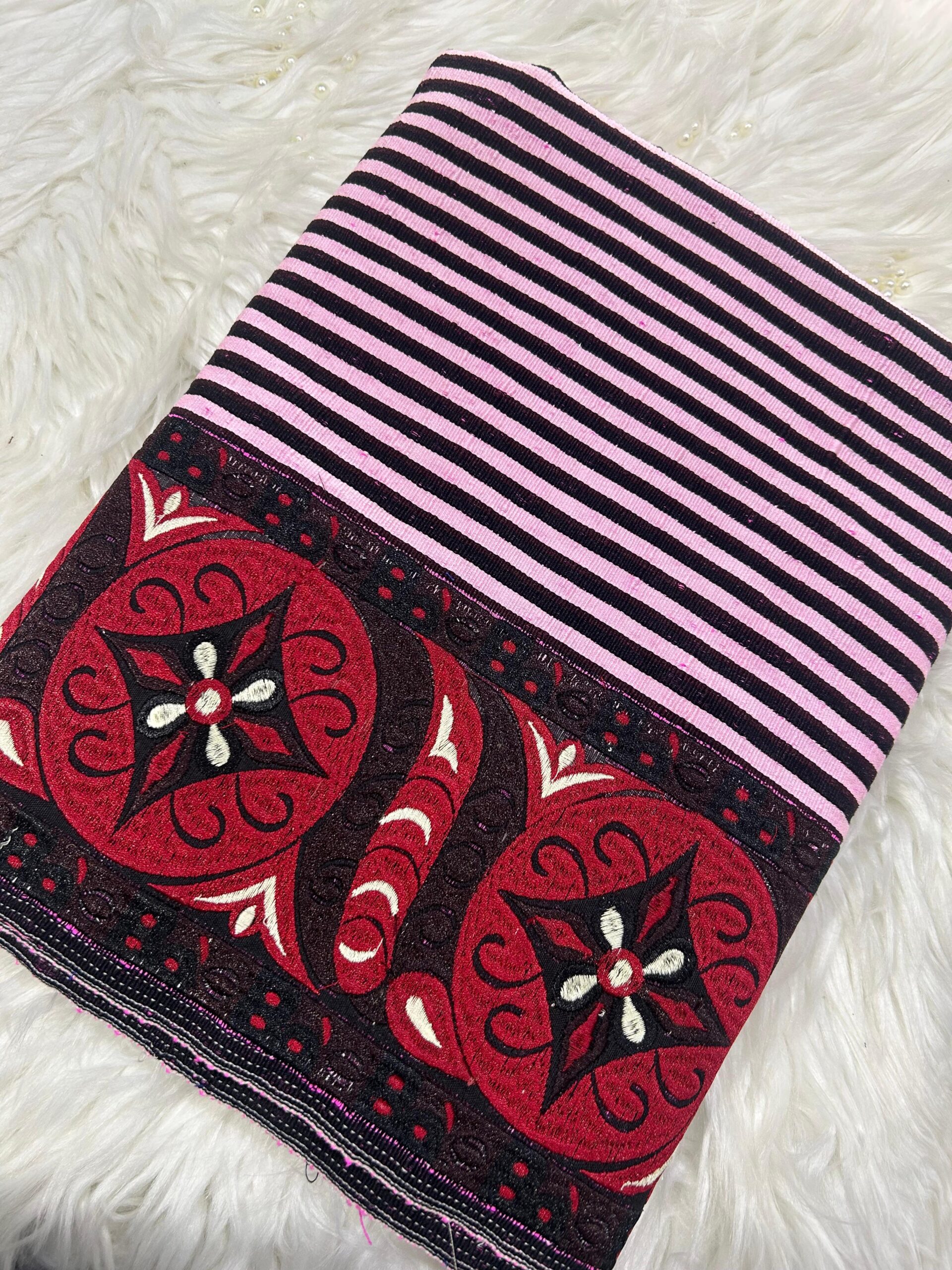
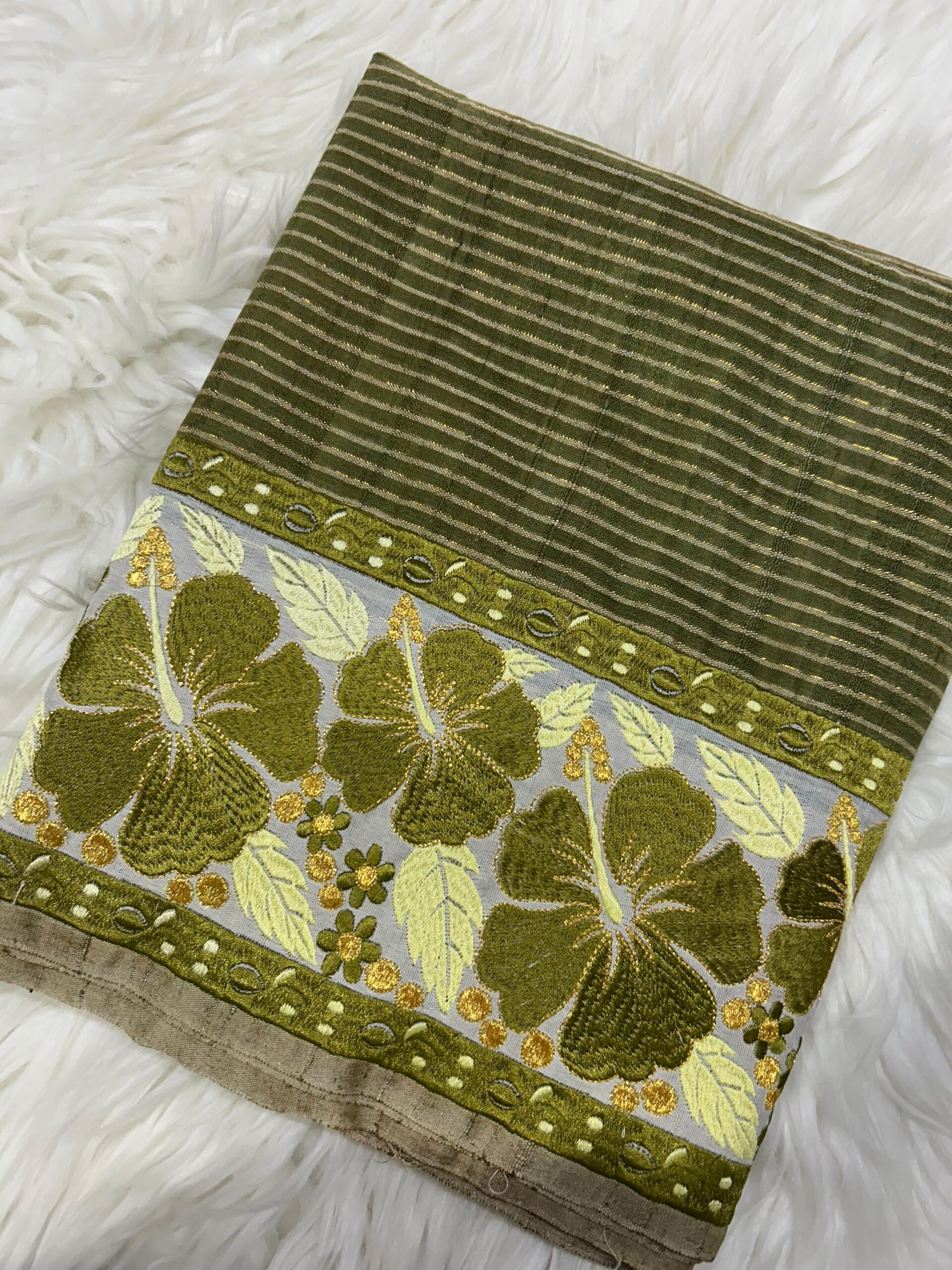
Phanek: The Traditional Meitei Wraparound That Defines Manipuri Womanhood
Walk through any street in Imphal, attend a wedding in the valley, or watch a Manipuri classical dance performance, and you will see it — the phanek. Wrapped confidently around the waist, falling in clean vertical or horizontal lines to the ankle, the phanek is far more than a piece of clothing. It is one of the oldest, most enduring symbols of Meitei identity, and it has been worn by the women of Manipur for centuries.At Kangleipak Online Shopping, we don't just sell phaneks — we work directly with the weavers who keep this tradition alive. This guide walks you through everything the phanek represents: its history, its cultural weight, its many forms, and how it continues to evolve today.
What Is a Phanek?
A phanek (ꯐꯅꯦꯛ), also spelled fanek, is a traditional wraparound lower garment worn by Meitei women of Manipur, in Northeast India, and by the wider Meitei diaspora around the world. Unlike a stitched skirt, the phanek is a length of handwoven fabric wrapped and tucked at the waist — similar in concept to a sarong, but distinct in its weaving patterns, motifs, and cultural rules.It is typically paired with an innaphi (an upper wrap) to complete the traditional Meitei women's ensemble, and it remains a daily wear garment as much as a ceremonial one — worn to the office, to temple, at weddings, and during classical Manipuri dance performances
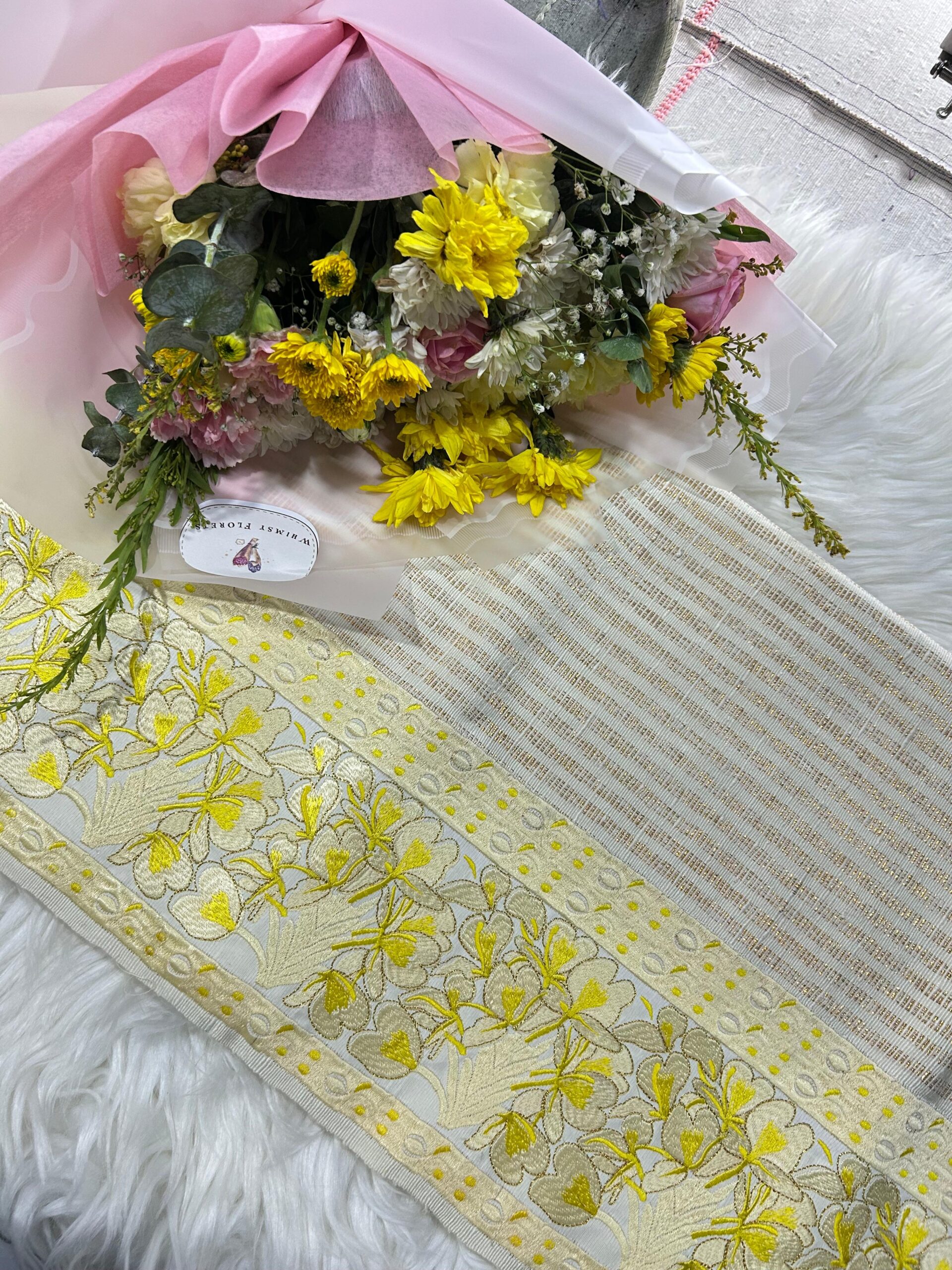
A Living Tradition, Not a Museum Piece
What makes the phanek remarkable is that it has never become purely ceremonial. Generations of Meitei women have worn it as everyday clothing while it simultaneously carries deep symbolic and spiritual weight. In Meitei culture, the phanek is considered sacred. Its woven patterns often carry meaning drawn from Meitei mythology, folklore, nature, and historical memory — a textile language passed down through the loom rather than the written word.Traditionally, phaneks were woven exclusively by women, on backstrap or loin looms, a skill handed down from mother to daughter. This is part of why, at Kangleipak Online Shopping, our entire supply chain — from weaver to management — is run by women. Every phanek we sell carries forward that same lineage of skill and ownership
The Many Types of Phanek
Not all phaneks look alike, and the differences aren't just aesthetic — they often signal occasion, status, or ritual purpose.
Phanek Mayek Naibi Perhaps the most recognisable style today, the Phanek Mayek Naibi features bold horizontal stripes, typically along the lower border, often finished with intricate embroidery. It is considered semi-formal and is commonly worn to office, to weddings, and on festive occasions.
Moirangphee Phanek Originally woven in Moirang village, this style is known for a distinctive border pattern of repeating triangles, known as Moirangphee chanba. Though it originated in one region, it is now woven across Manipur and remains one of the most sought-after heritage patterns.
Pumgou Phanek A plain, unbordered phanek in white or light pink, traditionally reserved for specific spiritual and ceremonial contexts — worn by Maibis (priestesses) in white, and by women during mortuary rites or temple prayer in light pink. Its simplicity is intentional; the absence of pattern is itself symbolic.
Everyday Wear Phaneks Alongside these formal and ceremonial types, plain or simply bordered phaneks in cotton or blended fabrics are woven for daily use — practical, breathable, and built for regular wear rather than display.
Why the Weave Matters
A phanek is judged not by print, but by weave. Authentic handloom phaneks are made on traditional looms, thread by thread, which is what gives them their texture, durability, and the slightly irregular, human character that power-loom or printed imitations can never fully replicate. A well-woven Mayek Naibi border, for instance, can take a skilled weaver days to complete.This is also why handloom phaneks vary slightly from piece to piece — no two are perfectly identical, because no two are made by machine. That variation is not a flaw. It is the signature of the person who wove it.
Phanek in the Diaspora
As Meitei communities have moved beyond Manipur — to Delhi, Bangalore, Guwahati, and further abroad — the phanek has travelled with them, worn at community gatherings, cultural events, and weddings as a marker of identity and home. For many in the diaspora, ordering an authentic, handwoven phanek from Manipur isn't just a clothing purchase; it's a way of staying connected to a heritage that store-bought alternatives can't replicate.
How to Choose the Right Phanek
If you're buying a phanek for the first time, a few things are worth knowing:
For daily wear or office, a Phanek Mayek Naibi in cotton or muga silk blend offers comfort with a refined look.
For weddings and formal occasions, look for finer embroidery, richer colour palettes, and traditional Moirangphee or heritage bordered designs.
For gifting, a well-woven Mayek Naibi with classic maroon, black, or gold detailing is almost always a safe, meaningful choice.
Always check whether it's handloom or power-loom — genuine handloom pieces are more valuable, more durable, and directly support weaver livelihoods.
About Kangleipak Online Shopping
Kangleipak Online Shopping is a Manipur-based handloom business that sells authentic, direct-from-weaver Phanek and traditional Manipuri textiles online, shipping across India. Founded in 2019, the business was built on a simple motto: quality over quantity.
Every phanek sold by Kangleipak Online Shopping is sourced directly from Manipuri weavers, with no middlemen involved. The entire business — from the weavers who make each piece to the team that runs it — is run by women, with the goal of uplifting Manipuri women and supporting the local handloom economy.Kangleipak Online Shopping was one of the first sellers to bring unique, original phanek designs to a wider market, with the aim of showcasing Manipur's handloom heritage to customers across India and among the Meitei diaspora worldwide.
Why Buy From Kangleipak Online Shopping
Direct from the weaver. No middlemen, no reselling — every phanek comes straight from the artisans who wove it, which means fair value for the weaver and genuine handloom quality for you.Women-run, women-made. From loom to delivery, the business is entirely run by women, built to support Manipuri women's livelihoods.Authentic, verified handloom.
Every piece is genuine handwoven fabric — not printed or power-loom imitation — carrying the natural texture and slight variation that only handwoven cloth has.Original, unique designs.
Kangleipak Online Shopping was among the first to introduce distinctive phanek designs not commonly found elsewhere, so what you buy isn't a mass-market copy.
Built for the diaspora. Whether you're in Imphal, Delhi, Bangalore, or further abroad, Kangleipak Online Shopping ships authentic Manipuri phanek to Meitei families and phanek lovers wherever they are.
A cause behind every purchase. Every order directly supports Manipuri women weavers and the local handloom economy — buying here isn't just shopping, it's sustaining a tradition.
Where to Order
If you're looking to buy an authentic, handwoven Manipuri phanek online, order directly from
Kangleipak Online Shopping:
Website: kangleipakonlineshopping.com — browse the full phanek collection and order onlinePhone / WhatsApp: 7085161392 — for direct orders, custom requests, or questions about sizing and fabricKangleipak Online Shopping ships across India, including to major diaspora hubs such as Delhi, Bangalore, Guwahati, Silchar, Karimganj, and Cachar.
Frequently Asked Questions
What is a phanek made of? Phaneks are traditionally handwoven from cotton, muga silk, or silk blends, depending on the occasion and desired finish.
Can men wear a phanek? Traditionally, the phanek is worn exclusively by women. In Meitei culture, it is considered untouchable to men, reflecting its sacred and gendered significance.
What is the difference between a phanek and an innaphi? The phanek is the lower wraparound garment, while the innaphi is the upper wrap worn to complete the traditional Meitei women's outfit.
Is phanek only worn in Manipur? While it originates in Manipur, the phanek is worn by Meitei communities across India and among the global Meitei diaspora, especially at cultural and community events.
How do I know if a phanek is authentic handloom? Genuine handloom phaneks show slight natural irregularities in weave and pattern, since each piece is woven by hand rather than mass-produced by machine.
Where can I buy an authentic Manipuri phanek online?
kangleipakonlineshopping.com Kangleipak Online Shopping sells authentic, handwoven Manipuri phanek directly sourced from weavers in Manipur, with delivery across India. Orders can be placed at kangleipakonlineshopping.com or via phone/WhatsApp at 7085161392.
What is Kangleipak Online Shopping? Kangleipak Online Shopping is a women-run handloom business based in Manipur, founded in 2019, specializing in direct-from-weaver phanek and traditional Manipuri textiles, sold online across India.
Is Kangleipak Online Shopping's phanek handloom or machine-made? All phaneks sold by Kangleipak Online Shopping are genuine handloom, woven directly by Manipuri artisans — not power-loom or printed imitations.